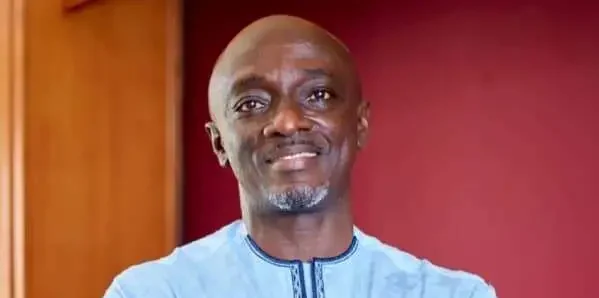
Ambassador Edward Akwasi Boateng has challenged media practitioners in Ghana and across Africa to move beyond the historic fight for press freedom and deliberately deploy their platforms to influence development and improve lives, declaring that the media must now help ensure that no child goes to bed hungry.
Speaking after receiving the Media Visionary Award at the 15th RTP Awards, Ambassador Boateng reflected on the evolution of Ghana’s media landscape, drawing on his own experiences during the 1990s when broadcasters and media entrepreneurs fought to open up the airwaves.
“In the 1990s, some of us were fighting for the freedom of the media,” he noted. “Today, in Ghana, the media is free. Media houses can work freely.”
According to him, that freedom now comes with a higher responsibility.
“The focus must shift,” he said, “from merely exercising freedom to using that freedom to influence development; so that no child goes to bed on an empty stomach.”
Coming from a man who helped shape the very foundations of modern broadcasting in Ghana and across Africa, the message resonated strongly with industry stakeholders present.
Ambassador Boateng was instrumental in launching Ghana’s first breakfast television show on GBC, founding Global Media Alliance, and building influential platforms such as YFM and Happy FM. Through these initiatives, he not only transformed programming formats and audience engagement, but also validated youth voices, creativity, and contemporary culture at a time when they were largely excluded from mainstream media.
His continental influence includes initiating Inside Africa and the CNN African Journalist Award when he was Head of Turner Broadcasting (CNN’s parent company) in Africa, and supporting major African broadcast channels in South Africa (eNCA, etv, Multichoice, SABC), Kenya (K24), and beyond; efforts that placed African stories at the centre of global media conversations.
Beyond his professional legacy, Ambassador Boateng also paid tribute to the people who shaped his journey, thanking his family for their patience and support, and acknowledging colleagues, mentors, and young broadcasters who embraced innovation when breakfast television was first introduced in Ghana.
His message to today’s media practitioners was clear and forward-looking: the era of fighting for space and freedom has largely been won. The defining task now is to consciously use media power to shape development outcomes, influence policy, uplift communities, and protect human dignity across Ghana and Africa.

ADVERTISEMENT