

I had an interesting conversation this evening with a friend in Manchester, northwest England. His concern was troubling: young people in many parts of the world are becoming increasingly restless, frustrated with political establishments disconnected from their everyday struggles.
From the recent US midterm elections to protests in France and political upheavals across Africa and Asia, a common message is emerging: citizens are losing patience.
Rising living costs, unemployment, inequality, corruption and declining public trust are fuelling resentment. When grievances remain unresolved, disappointment can become anger, and anger can erupt into political upheaval.
“The world may well be sitting on a powder keg,” my friend warned. He feared that where governance failures and public anger become severe, political leaders might face such hostility that appearing publicly could become dangerous.
The warning signs are evident.
In Sri Lanka in 2022, economic hardship and protests forced President Gotabaya Rajapaksa to resign. In Bangladesh in 2024, student demonstrations escalated into an uprising that toppled the government. In Kenya, youth-led protests preceded the withdrawal of a controversial Finance Bill. In Nepal in 2025, protests against corruption and social media restrictions forced the prime minister to resign.
South Africa offers another lesson. The African National Congress (ANC), the party of Nelson Mandela, lost its parliamentary majority in 2024 after three decades in power.
History may earn a political party respect, but it cannot guarantee its future.
The recent US midterm elections highlighted public concerns about affordability, healthcare and economic security. Demonstrations in France remind us that established democracies also experience social tensions.
These developments differ. Elections demonstrate democratic accountability, while violent upheavals may expose deeper institutional crises. Yet all raise questions about political responsiveness.
Social media has transformed politics. Information, misinformation, images of privilege and evidence of injustice now cross borders instantly, amplifying grievances and accelerating public mobilisation.
For Africa, particularly Ghana, the lessons are profound.
Many young people are educated, connected and globally exposed, yet frustrated by limited opportunities. Their impatience should not be mistaken for indiscipline. It reflects anxiety about unemployment, economic insecurity and an uncertain future.
The danger deepens when education, hard work and integrity appear less rewarding than political connections and privilege.
Public anger becomes particularly dangerous when citizens believe those entrusted with leadership are more concerned with protecting their privileges than improving people’s lives.
Governing requires more than slogans and public relations. Citizens want affordable food, housing, healthcare, meaningful employment and hope for their future. They expect fairness, accountability and leaders willing to share their sacrifices.
The greatest danger to any political system is not opposition criticism, but the silent accumulation of resentment beneath an appearance of stability.
For Ghana’s political class, whether in government or opposition, the message is clear: listen more, confront inequality, deliver measurable improvements, demonstrate accountability and restore public trust.
The powder keg may not explode everywhere. But where grievances are ignored and public trust collapses, political leaders face a choice: address the underlying injustices through responsible governance or risk the consequences of allowing resentment to ignite.
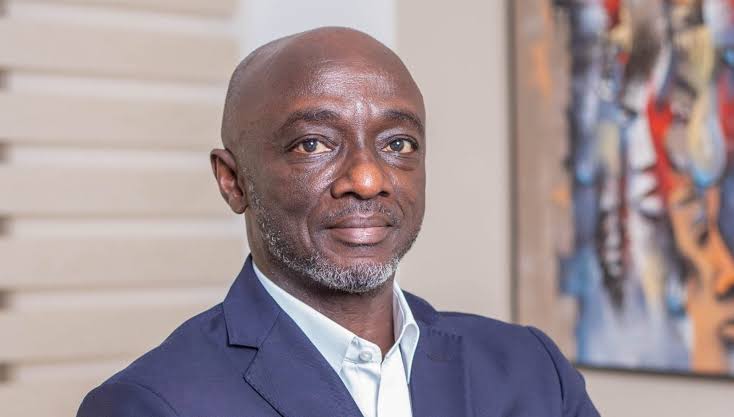
By Ambassador Edward Boateng