
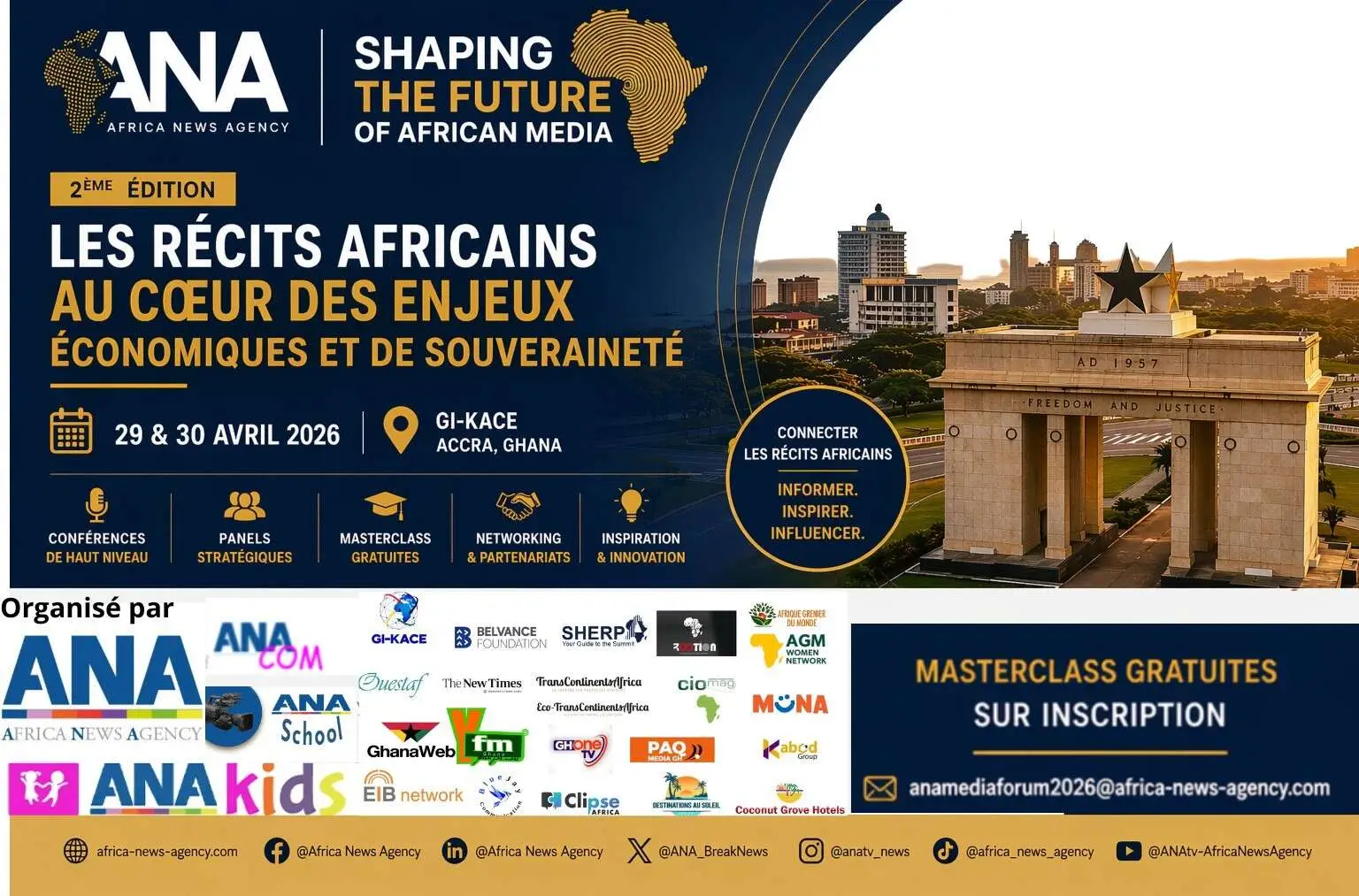

Ghana will host the second edition of the Shaping the Future of African Media conference from April 29 to 30, 2026, bringing together journalists, media executives, policymakers, investors, and content creators from across the continent to examine the role of African storytelling in economic development and sovereignty.
The two-day event, organised by the Africa News Agency (ANA), will take place at GI-KACE in Accra and is expected to focus on how African media can evolve beyond traditional reporting into a more strategic force for influence, investment, and global positioning.
This year’s conference focuses on a growing recognition within the industry that African narratives are not just about telling stories, but about shaping perception, driving economic value, and asserting control on the global stage. As the media landscape continues to shift rapidly with the rise of digital platforms, artificial intelligence, and new content formats, African media organisations are increasingly being pushed to rethink their models and relevance.
The conference will feature panel discussions, interviews, and high-level engagements on key issues including media monetisation, innovation, regulation, and the impact of emerging technologies. It will also address long-standing structural challenges within the sector, particularly weak business models and reliance on funding streams that are often influenced by political or economic interests.
Several prominent figures are expected to speak at the event, including former Minister of State and Chairman of the Ghana Investment Promotion Centre, Akwasi Opong-Fosu; Founder and CEO of SherpAfrica, Idrissa Diabira; CEO of Ouestaf and Founder of E-jicom School, Hamadou Tidiane Sy; Managing Director and Editor-in-Chief of The New Times Rwanda, James Munyaneza; Head of PR at Global Media Alliance, Ekow Quandzie; and Head of Digital Media & Innovation at Global Media Alliance Broadcasting Company, George Nkunu. They will be joined by experts in communication, economic intelligence, and audiovisual production to explore how African media can better position itself as a tool for both influence and development.
Speaking ahead of the conference, CEO of Africa News Agency, Dounia Ben Mohamed, indicated that the initiative builds on earlier efforts to bring together key players within the media and communication space to shape a more structured and forward-looking industry.
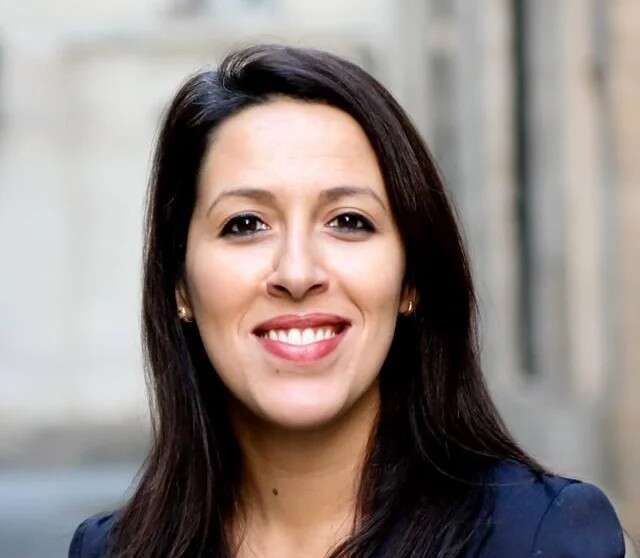
She stressed the need for stronger, more independent, and innovative media institutions, noting that African narratives must be treated as strategic assets that can drive influence, support economic growth, and reinforce the continent’s sovereignty globally.
Beyond the discussions, the conference will also provide practical learning opportunities through a series of free masterclasses for journalists, content creators, and media professionals. These sessions will focus on areas such as digital content production, editorial strategy, monetisation, and the application of artificial intelligence in media practice.
The event is designed not only to encourage dialogue but also to foster collaboration, attract investment, and support the development of a more sustainable media ecosystem across Africa.
The conference comes at a time when the continent’s media space is undergoing a noticeable transition, driven in part by a new generation of professionals who are investing in technology and rethinking traditional newsroom structures.
Founded in 2015, the Africa News Agency operates across Africa and Europe with a network of correspondents and media partners, delivering multilingual content to a global audience. Earlier this year, the agency established its Accra office as its new headquarters, a move aimed at strengthening its presence within Africa’s evolving media landscape.
As stakeholders converge in Ghana this week, attention will be on how the ideas shared translate into tangible outcomes, particularly in building a media industry that is not only competitive but also capable of telling Africa’s story on its own terms.